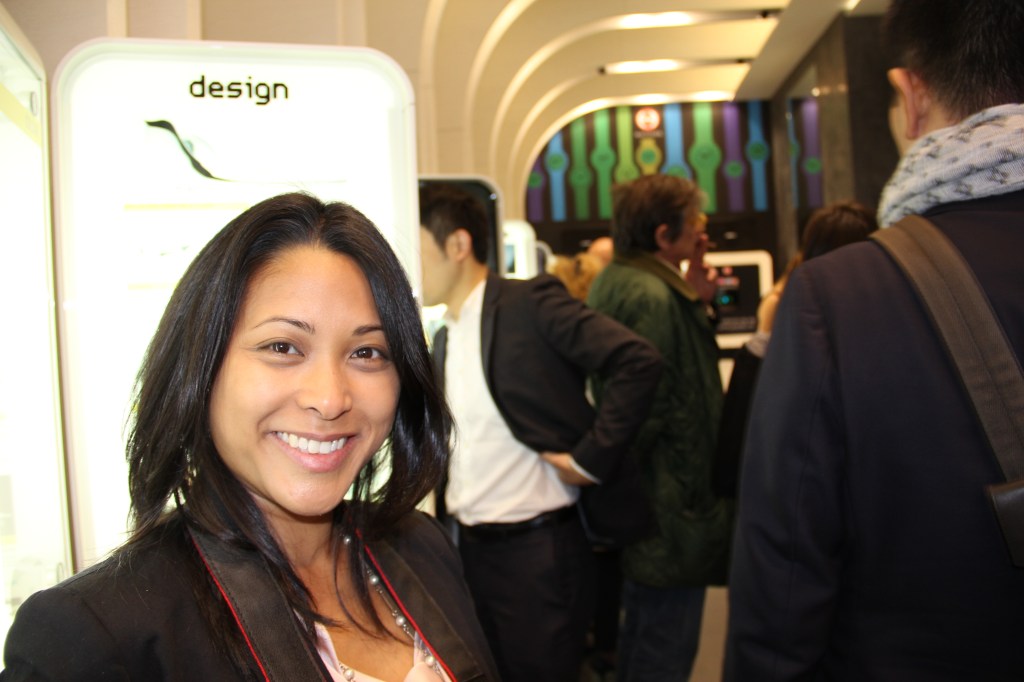
At 29, I made a bold move—I became an intern at one of the world’s top design publications, designboom. I packed up my life and moved to Italy to work for an international blog, dedicated to art, design and architecture. Back then, influencers didn’t exist, social media was just beginning, and people turned to websites for international news. designboom was at the forefront, shaping the way people consumed architecture and design content.
This transition wasn’t just about moving countries; it was about pivoting my career. When the 2008 recession hit, I went back to school to study design strategy. During the program, I had a realization—I didn’t want to design anymore. I wanted to push the boundaries of what design could do, exploring redevelopment and strategy. But where I truly thrived was in communicating and presenting ideas. So, I took a leap and moved into editorial work.
A Day in the Life at designboom
The editorial team at designboom was small but mighty—about six editors working at a rapid pace. Our goal? To publish 9-11 stories per day for a global audience, ensuring fresh content landed in inboxes every morning at 8 AM EST (2 PM Milan time).
Each day, we:
- Scoured architecture firms’ websites for new projects.
- Sifted through press releases.
- Pitched stories to our managing editor.
- Competed for the coveted top spot on the homepage.
Being an architecture editor meant staying ahead of the competition. We had to hustle—finding compelling projects, writing quickly, and getting published as often as possible.
How We Wrote Fast Without Sacrificing Quality
Speed was everything, but so was clarity. To keep up with the demanding pace, we followed a simple yet effective writing framework:
- Adapt the Press Release – If there was a description, we adapted it into a more engaging story.
- Lead with the Facts – Start with the essentials: Who designed it? Where is it? When was it completed? What is it?
- Let the Photos Guide the Narrative – Readers are visual. We analyzed images and described what they revealed, ensuring the photos and text worked together to tell the story.
- End with Impact – Highlight how the project contributes to its community, adds value, or challenges traditional design.
Using this structure, we could produce 2-3 articles per day, ensuring speed and substance coexisted.
Key Takeaways: What This Experience Taught Me
- Speed comes from structure – Having a clear framework makes it easier to produce high-quality work under pressure.
- Competition fuels creativity – Working alongside other fast-moving editors pushed me to think sharper and write better.
- Good storytelling is clear and concise – The best articles are straightforward yet engaging, helping readers grasp complex ideas quickly.
This experience shaped how I approach communication, content creation, and marketing today. Whether crafting brand narratives or selling architectural services, the ability to write with clarity and speed has been invaluable.
What’s the most valuable skill you’ve gained from an intense job? Let me know in the comments!
 Richelle Sibolboro
Leave a comment